

A science-led routine using microneedling, caffeine, rosemary, and red light 💡🧬
 .
. 
Hair “regrowth” content online often mixes scalp care with true follicle stimulation. If your goal is thicker-looking hair and improved density, the most evidence-backed non-prescription tools tend to sit in four buckets:
- Microneedling (stimulates wound-healing signals in the scalp)
- Topical caffeine (may support anagen phase and reduce shedding signals)
- Rosemary oil (limited but notable human data; best as an adjunct)
- Low-level light therapy, LLLT (red light devices; supportive evidence in androgenetic alopecia)
Below is a simple, practical routine you can follow at home; with safety steps and product options.
Who this is most likely to help ✅
This approach is most relevant for:
- Androgenetic alopecia (pattern thinning in men and women)
- Mild to moderate diffuse thinning where scalp health and consistency are key
If you have sudden patchy loss, scalp pain, heavy scaling, or rapid shedding after illness; get medical review first to rule out alopecia areata, infection, thyroid or iron issues, or medication causes.
Step 1; Dermaneedling (microneedling) for scalp stimulation 🪡
What the evidence says:
Randomised studies show microneedling can improve hair outcomes in androgenetic alopecia; especially when paired with standard topical therapies. The best-known trial data supports microneedling as a useful add-on for AGA. PMC+1
At-home instructions (simple and safe)
Frequency: 1x per week (start conservative)
Needle depth: 0.5 mm is the typical home starting point
Pain: mild to moderate; do not force pressure
How to do it:
- Wash scalp; dry fully.
- Disinfect tool with 70% isopropyl alcohol; allow to air-dry.
- Part hair into sections.
- Roll or stamp in each section in 3 directions (vertical, horizontal, diagonal); 6–10 passes total per section.
- Aim for mild redness; not bleeding.
- Clean tool again after use; store dry.
Do not microneedle if ⚠️
- Active scalp infection, folliculitis, eczema flare, psoriasis plaques
- History of keloid scarring
- You are immunosuppressed; or on blood thinners without clinician advice
- You cannot reliably disinfect the device
Timing rule: avoid applying irritant actives straight after microneedling. Use only gentle hydration for 12–24 hours.
If microneedling feels intimidating; use gentler options 💆🏽
Not everyone is comfortable with needles, especially around the hairline.
Thermal or “warming” scalp boosters 🔥
Hairline roll-on boosters with thermal activators increase local blood flow without needles. They are ideal for:
- Receding hairlines
- Postpartum regrowth phases
- People sensitive to microneedling
Massage gently along the hairline once or twice daily.
Step 2; Caffeine for follicle signalling and shedding control ☕🧴
What the evidence says:
Clinical data suggests topical caffeine can be helpful in androgenetic alopecia; including studies where caffeine-based topicals performed comparably to 5% minoxidil in men, although product concentration and study designs vary.
Best way to use caffeine
- Prefer leave-on scalp products over rinse-off shampoo alone
- Apply to thinning areas once daily; massage for 30–60 seconds
- If using a “caffeine mask”; treat it like a leave-on for 10–20 minutes before rinsing, 2–3x per week
On microneedling day, use caffeine the next morning, not immediately after.
Step 3; Rosemary oil as an adjunct 🌿
What the evidence says:
A randomised comparative trial reported rosemary oil performed similarly to 2% minoxidil after 6 months in AGA (Androgenetic Alopecia); it is not definitive science, but it is meaningful enough to consider as a supportive option for some people.
How to use rosemary oil without irritation
- Always dilute if it is essential oil based
- Start 3 nights per week; increase if tolerated
- Massage 2–3 minutes; leave overnight; wash in the morning
Patch test first: itching and dermatitis are common reasons people quit.
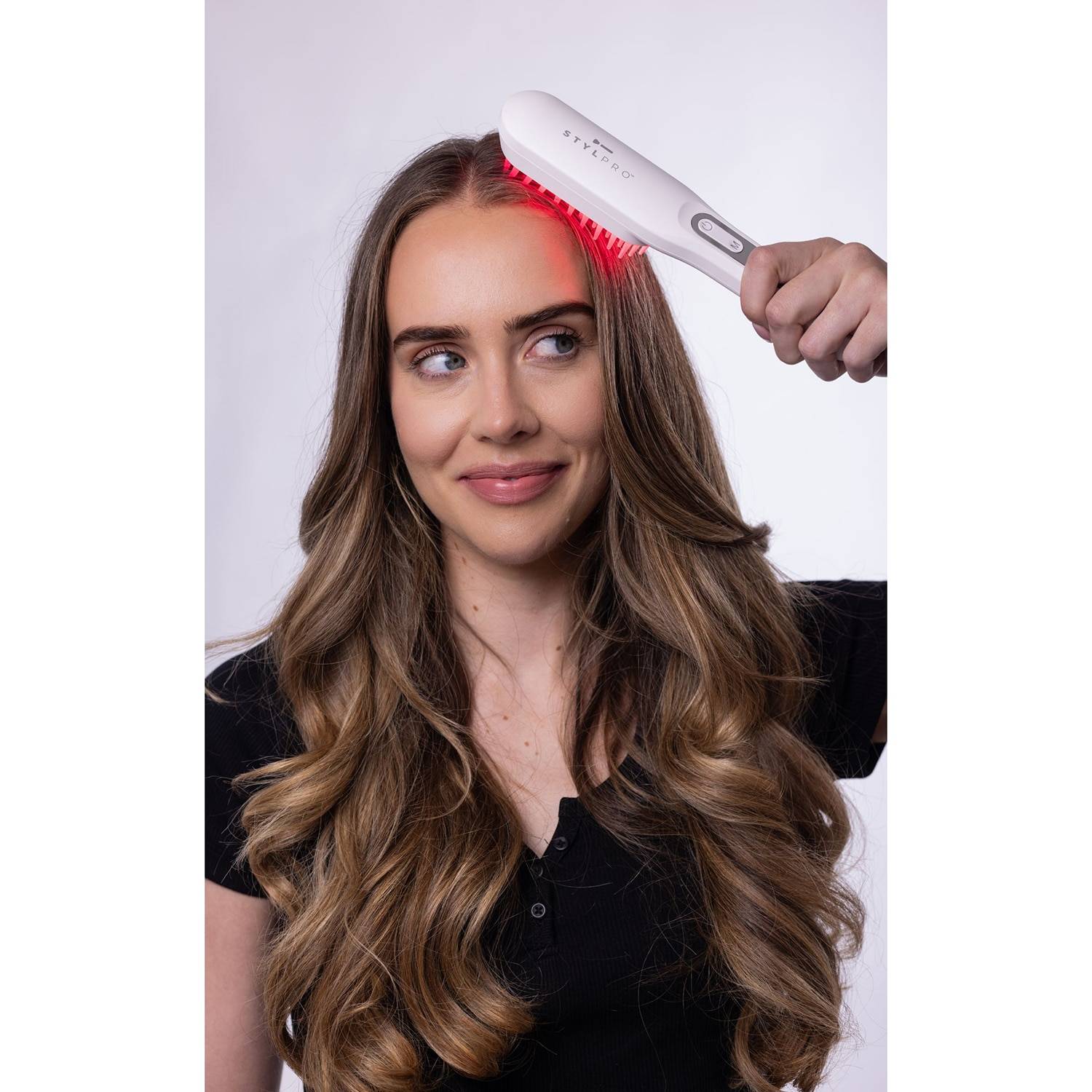
Step 4; Red light therapy - Low-Level Light Therapy (LLLT) to support density 🔴✨
What the evidence says:
Systematic reviews and controlled trials support LLLT devices as a useful option for men and women with AGA; improvements are modest but consistent with regular use.
How to use LLLT
- Follow device schedule exactly; consistency matters
- Typical ranges: 3–4 sessions per week for 16–24 weeks before judging results
- Take baseline photos under the same lighting every 4 weeks
Choose devices carefully: prefer devices with credible specs and clinical backing; avoid random unverified marketplace devices.
High-frequency scalp therapy
More recently, high-frequency wands have gained attention. They may:
- Improve local circulation
- Reduce scalp microbial load
- Support a healthier scalp environment
These devices are not miracle tools, but can complement other methods well.
Step 5; Clarifying shampoo for scalp environment 🧼🫧
Clarifying shampoo does not “regrow hair” directly; but it can improve scalp conditions that worsen shedding or make treatments less tolerable.
When it helps
- Oily scalp, heavy styling products, itch, flakes, build-up
- People using oils regularly; rosemary users often benefit from 1 clarifying wash weekly
How to use:
- 1x weekly; focus on the scalp
- Leave lather on for 60–90 seconds; then rinse well
- Use a gentle shampoo on other wash days
If dandruff or inflammation is significant, an anti-fungal shampoo such as ketoconazole can help scalp inflammation; which may indirectly support hair retention for some people.
A simple weekly schedule you can actually stick to 📅✅
Daily (most days):
- Caffeine leave-on treatment ☕
- Optional rosemary oil at night 3–5x per week 🌿
3–4x per week:
- Red light therapy 🔴
1x per week or 1x 2 weeks:
- Microneedling 🪡
- Clarifying shampoo the next wash day 🧼
Rule of thumb: give any routine 12–16 weeks before judging; take consistent photos.
Don’t forget the inside; hair needs raw materials too 💊✨
External stimulation only works if your body has the building blocks to produce strong hair fibres.
Hair strands require:
- Amino acids (protein and collagen support)
- Iron, zinc, copper, selenium
- Biotin and B-vitamins
- Vitamin D for follicle cycling
Using Inner Beauty Vitamins alongside scalp therapies supports hair growth from both directions; local stimulation + systemic nutrition.
Best product picks; quick guide 🛒
| Product | Image | Price | Link |
|---|---|---|---|
| M8S Microneedling Pen Professional Wireless Derma Pen |  |
£79.00 | View product |
| Hairburst Dermascalp Roller | 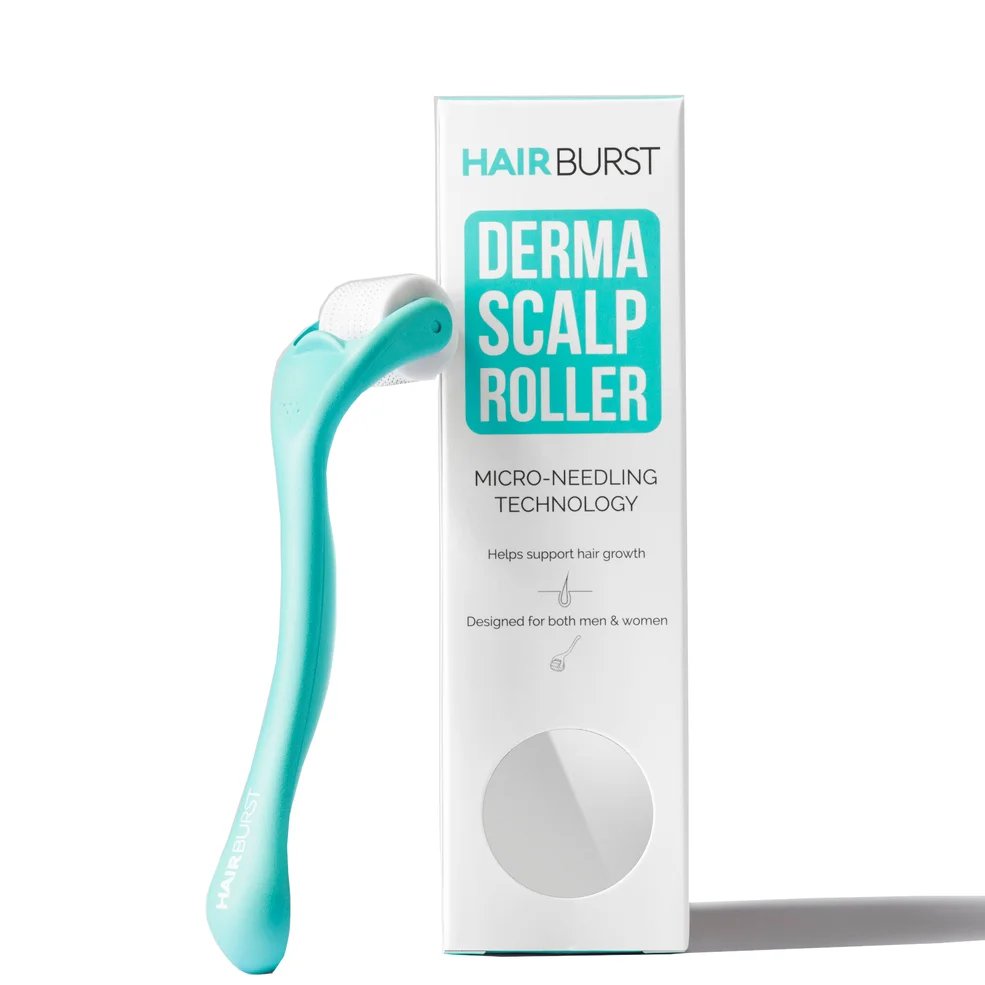 |
£20 | View product |
| Hair Gain Scalp Foam | 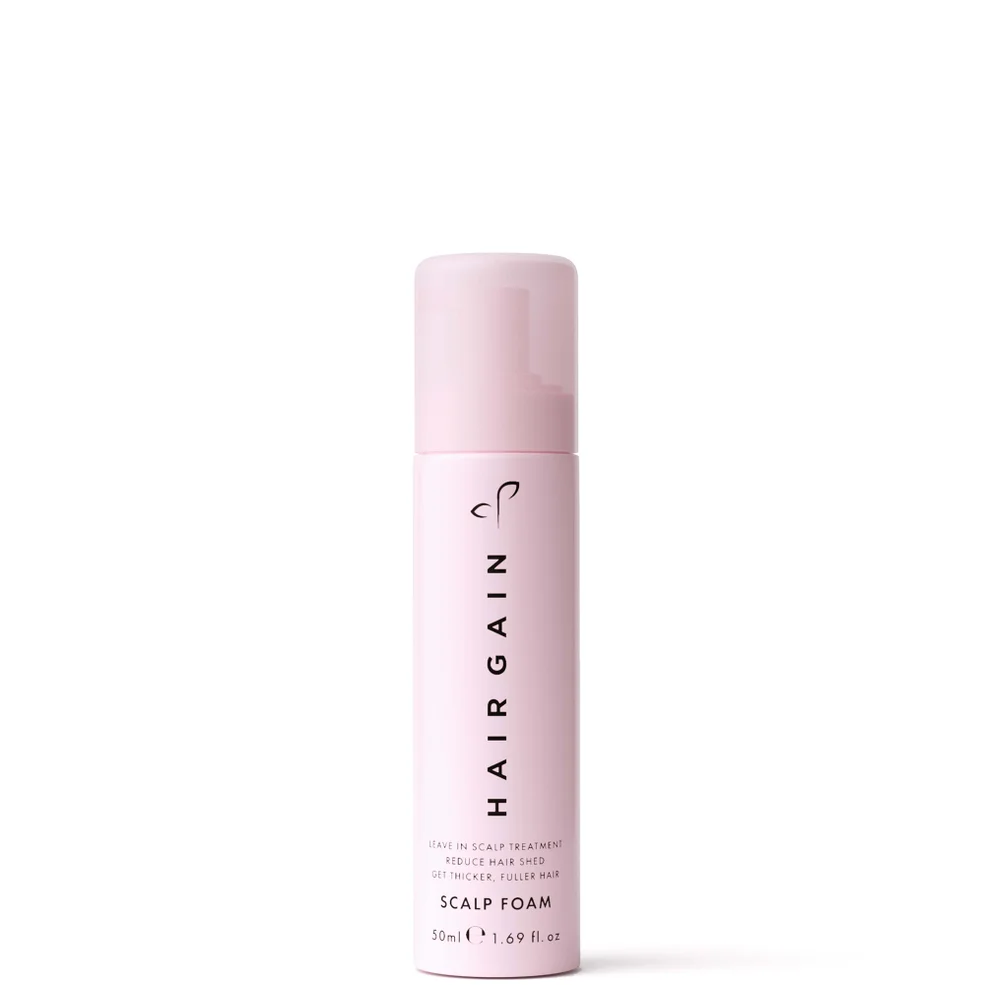 |
£32 | View product |
| Caffeine Stimulating Scalp Treatment |  |
£15 | View Product |
|
Bio-Pilixin® Hairline Booster |
 |
£25 | View Product |
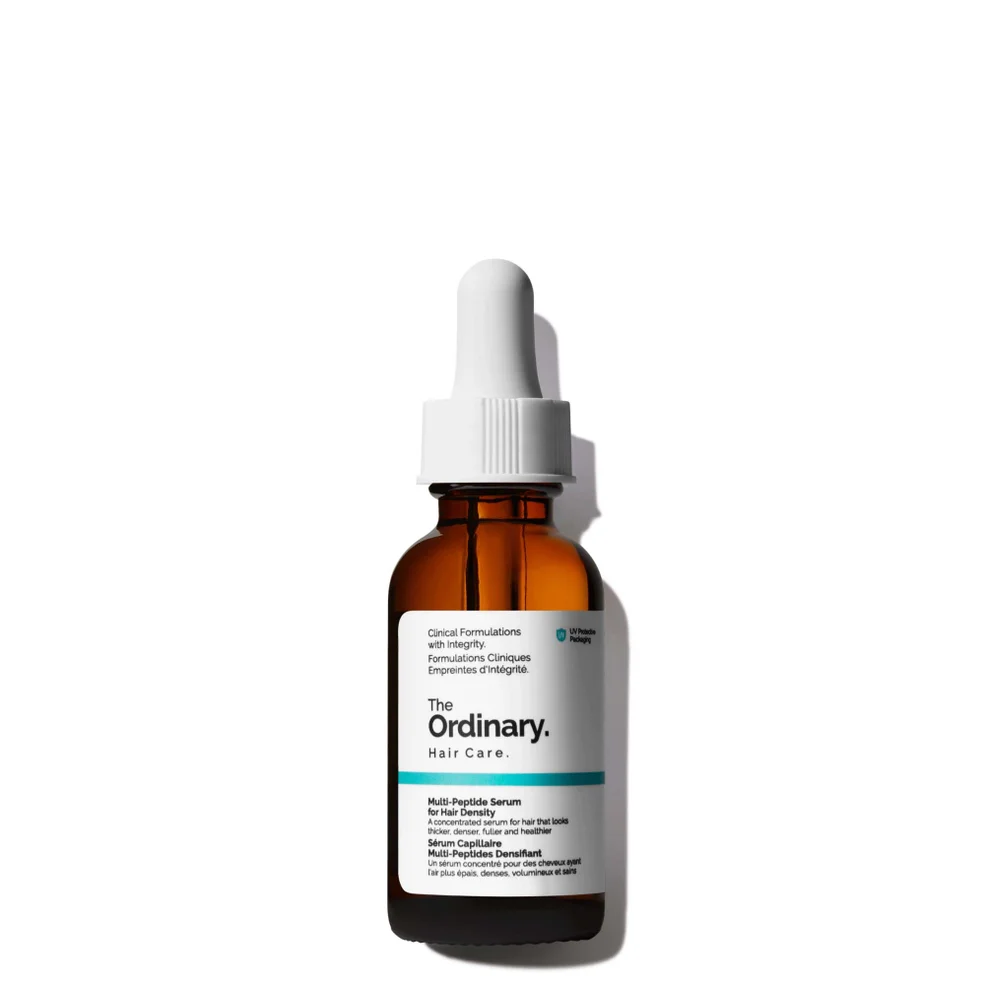
The Ordinary Multi-peptide Serum |
 |
£13.50 | View Product |
| Rosemary Oil |
 |
£11 | View Product |
| Purifying Shampoo | 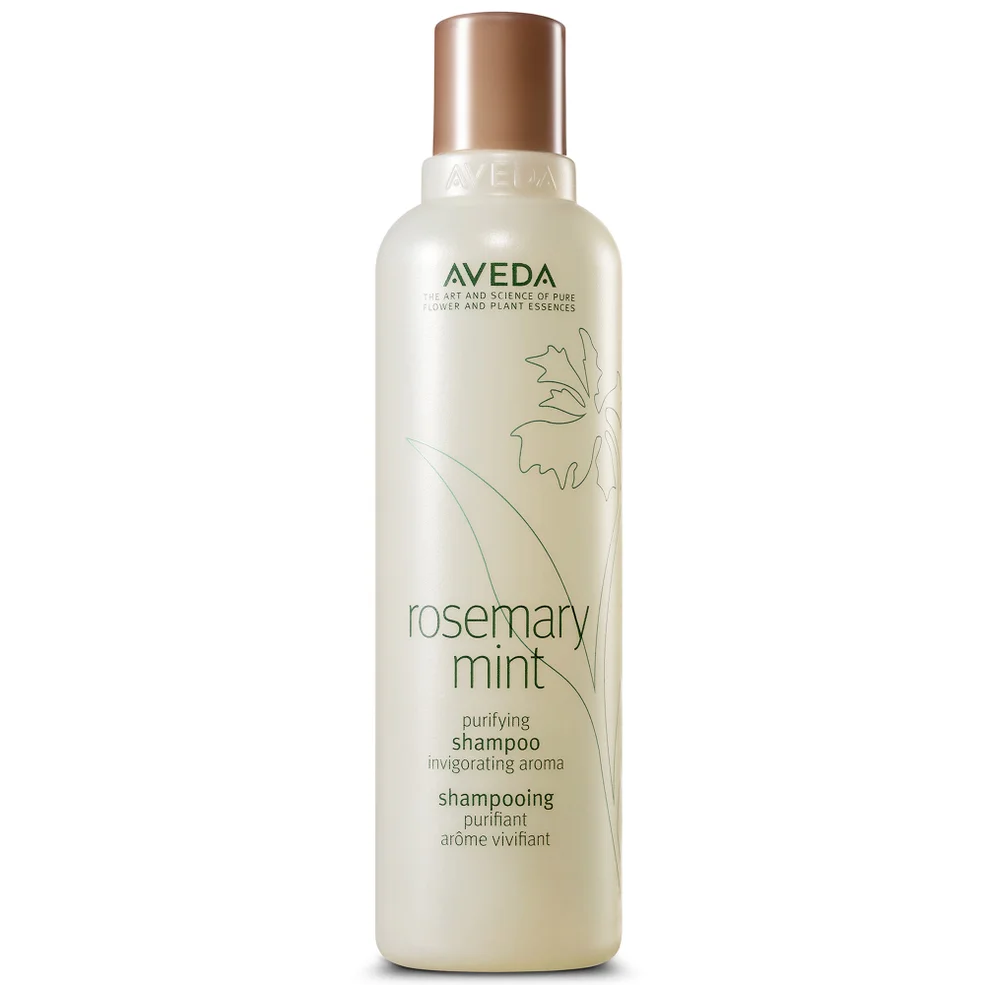 |
£16.50 | View Product |
| Red light therapy Brush |
|
£39.99 | View Product |
| High Frequency Therapy wand |  |
£45 | View Product |
| Inner Beauty Vitamins |  |
£47.5 | View Product |
The take-home message 🧠🌱
- Dermarollers and pens stimulate follicles through controlled micro-injury
- Hygiene and technique are non-negotiable
- If needles feel daunting, thermal boosters and serums are valid alternatives
- Rosemary oil, red light, and high-frequency therapy support circulation and scalp health
- Long-term hair health depends on internal nutrition as much as external care
- Hair regrowth is not instant; but with consistency, patience, and the right combination, meaningful improvement is achievable.
Disclaimer:
The information provided in this article is for educational and informational purposes only and does not constitute medical advice. Results may vary from person to person. Always consult a qualified healthcare professional, dermatologist, or trichologist before starting any new treatment, supplement, or scalp procedure, particularly if you have a medical condition, are pregnant, breastfeeding, or taking medication. Any treatments or routines described are followed at the reader’s own discretion.
Sources 📚
- Dhurat, R. et al. (2013). Microneedling for androgenetic alopecia; randomised evaluator-blinded study. PMC
- Kumar, M.K. et al. (2018). Microneedling plus topical therapy vs topical alone in AGA; RCT. PMC
- Dhurat, R. et al. (2017). Caffeine-based topical vs minoxidil 5% in men with AGA; randomised study. PMC
- Ly, N. et al. (2023). Evidence summary on caffeine and hair growth; includes RCTs. jaad.org
- Panahi, Y. et al. (2015). Rosemary oil vs 2% minoxidil for AGA; randomised comparative trial. PubMed
- Lueangarun, S. et al. (2021). Systematic review and meta-analysis of LLLT in hair loss. PMC
- 12-month LLLT trial reporting sustained improvement in AGA (2026). Wiley Online Library
- Device overview with FDA-cleared examples and practical selection criteria. Glamour